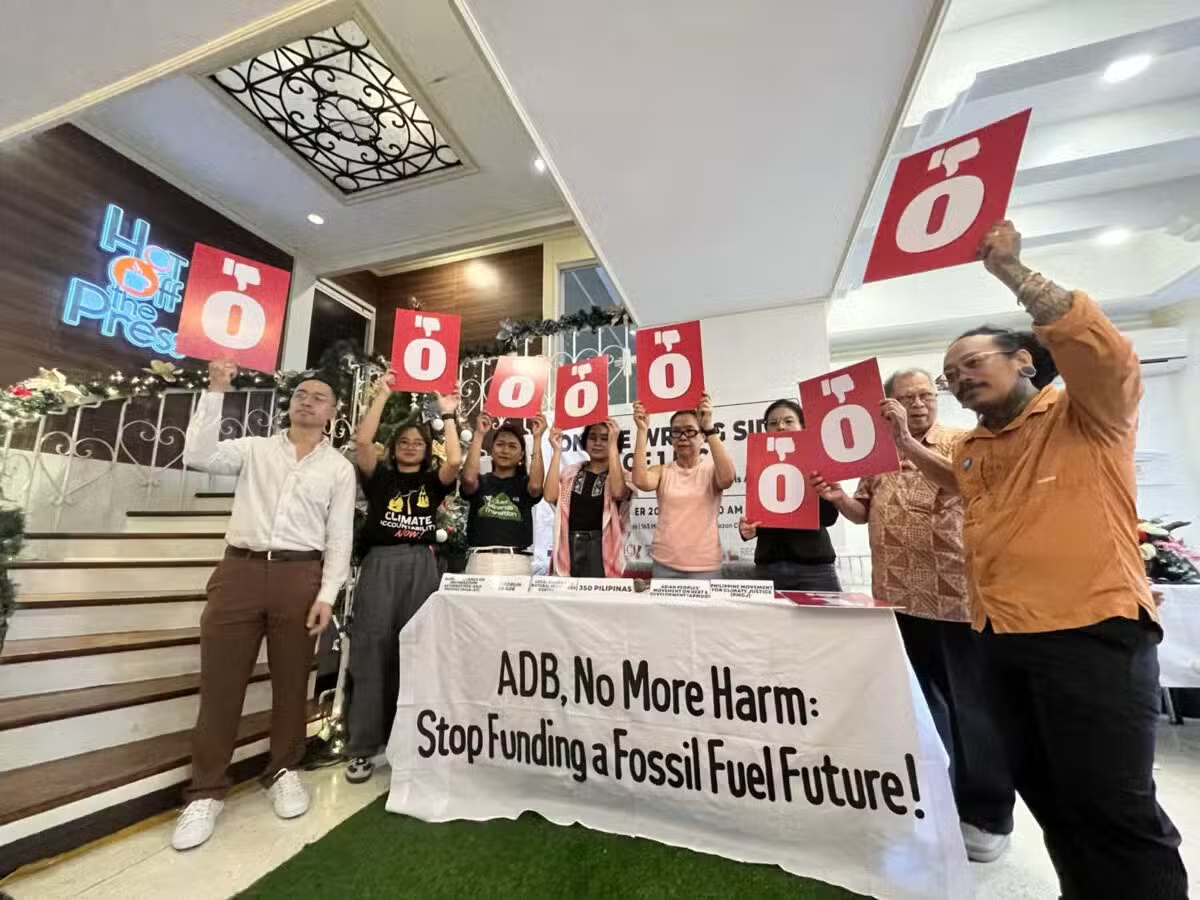
Civil society leaders give Asian Development Bank a “zero” on climate action during a press briefing in Quezon City on November 20, 2025, calling on the bank to stop funding fossil fuels and commit fully to a just energy transition.
(Photo from GAIA Asia Pacific)
MANILA, Philippines — Civil society groups on Thursday slammed the Asian Development Bank (ADB) for what they called a “dangerous pivot” toward corporate interests and false climate solutions, as the bank reviews its 2025 energy policy and faces scrutiny over decades of support for incineration and fossil fuels.
In separate statements released on November 20, the Global Alliance for Incinerator Alternatives (GAIA) Asia Pacific and the NGO Forum on ADB scored the multilateral lender for continued financing of polluting waste-to-energy (WtE) incineration and fossil gas infrastructure.
Both groups argue that the Bank’s draft policy fails to adequately protect climate-vulnerable communities, disregards human rights safeguards, and undermines global climate goals.
Billions in incineration financing since Paris Agreement
GAIA, a global alliance of over 1,000 grassroots groups and organizations in 90 countries, warned that ADB remains the region’s top backer of incineration-based waste management.
Since the Paris Agreement in 2015, GAIA noted that the Bank has financed 49 projects with incineration or co-incineration components amounting to USD 15.3 billion. Meanwhile, a separate analysis by the Climate Policy Initiative found that over 94 percent of climate finance intended for methane abatement in the waste sector continues to go to incineration.
“This reflects a troubling pattern,” GAIA said. “Money intended for climate action is being diverted to technologies that worsen pollution and drain public resources.”
GAIA’s Climate and Anti-Incineration Campaigner Brex Arevalo emphasized that incinerators—regardless of technology—continue to pollute and create hazardous byproducts.
“Incinerators remain polluters no matter the technology,” Arevalo said. “While incineration reduces waste volume, the remaining ash, wastewater, and emissions are hazardous and must still be disposed of in landfills. This exposes the myth that incineration eliminates the need for dumpsites. It does not. It creates even more toxic byproducts.”
Communities in debt, distress, and danger
GAIA and its regional partners stated that ADB-backed incineration projects are exacerbating economic and environmental risks for vulnerable countries.
In the Maldives, Zero Waste Maldives’ Afrah Ismail warned that the Bank is pushing a massive WtE incinerator in Thilafushi, despite the archipelago’s high debt burden and climate vulnerability.
“ADB has backed waste-to-energy incineration through loans and grants for a major WtE plant in the Maldives, a climate-vulnerable archipelago whose public debt now exceeds 120% of GDP and which international financial institutions classify as being at high risk of debt distress,” Ismail said.
Chythenyen Kulasekaran of the Centre for Financial Accountability cited India’s experience as further proof of failure.
“The ADB should not be funding waste-to-energy incineration, which has a massive track record of failure across South Asia. All 21 waste-to-energy plants in India are highly polluting and do not comply with the environmental policy standards, as reported by the government itself.”
‘Zero marks across the board’
In a separate assessment, the NGO Forum on ADB—a network of civil society groups monitoring the Bank and the Asian Infrastructure Investment Bank—gave the ADB a failing grade on climate, human rights, and transparency.
Citing the 2025 Energy Policy Review and draft amendments, the Forum warned that the Bank continues to support the expansion of fossil fuels and extractive industries, while ignoring demands for genuine stakeholder consultation.
“The Bank’s process violated its own Access to Information Policy and commitments to stakeholder engagement,” the group said. “Key documents were disclosed late, consultations were brief and selective, and feedback was not meaningfully integrated.”
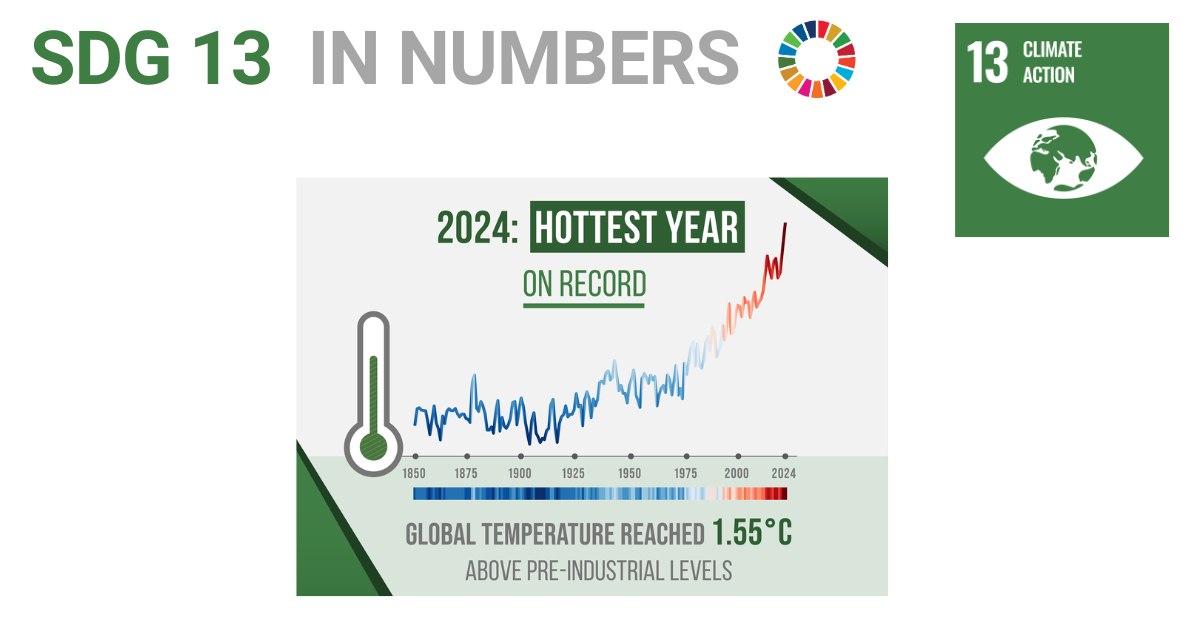
The draft policy retains fossil gas as a so-called “transition fuel,” allowing continued investment in gas pipelines and exploration, despite what the Forum calls “overwhelming scientific consensus” that no new oil or gas fields are compatible with limiting global warming to 1.5°C.
The Forum also raised concerns over the ADB’s Energy Transition Mechanism (ETM), which critics argue may prolong fossil fuel use rather than accelerate coal retirement. Loopholes in ADB’s coal ban remain, it added, and mining is now being rebranded as “green” through the Bank’s Critical Minerals for Clean Energy Technologies (CM2CET) initiative.
ADB is also reportedly considering lifting its nuclear energy financing ban.
“This is a reckless regression,” the Forum said. “Nuclear remains expensive, unsafe, and produces long-lived radioactive waste, while Small Modular Reactors are unproven and financially burdensome.”
Other so-called “false solutions” identified in the revised policy include coal co-firing, large hydropower, waste-to-energy, and geothermal projects sited in Indigenous territories—all of which, the Forum said, come with risks of displacement, repression, land conflicts, and gendered harm.
“Energy transitions that violate rights are neither just nor sustainable,” the coalition added. “ADB’s silence speaks louder than its rhetoric.”
Civil society demands
Over a hundred civil society organizations endorsed the Forum’s Climate Scorecard, which uses lived experience as its grading system: “gas pipelines through Indigenous lands—zero; opaque financial intermediary lending that hides coal exposure—zero; promotion of nuclear, extractives, and incinerators while claiming climate leadership—zero.”
“ADB’s score of zero is a mirror reflecting the Bank’s own choices,” the coalition said.
They are now calling on the ADB Board of Directors to reject the draft energy policy in its current form and implement urgent reforms. These include:
A fully transparent review process through 2026
Closure of all coal financing loopholes
A time-bound fossil gas phaseout
Rejection of nuclear energy and CM2CET extractive-driven initiatives
An end to all false solutions
Binding human rights and just transition standards
Full alignment with the 1.5°C climate goal and a complete fossil fuel phaseout by 2030
“ADB’s Energy Policy Review remains a failed test and a failing grade,” the Forum concluded. “The climate emergency demands leadership rooted in justice and science — not profit, not technofixes, and not exclusion. Communities across Asia refuse to accept another generation locked into fossil fuels.”
Keeping the promise of placing people at the centre of development
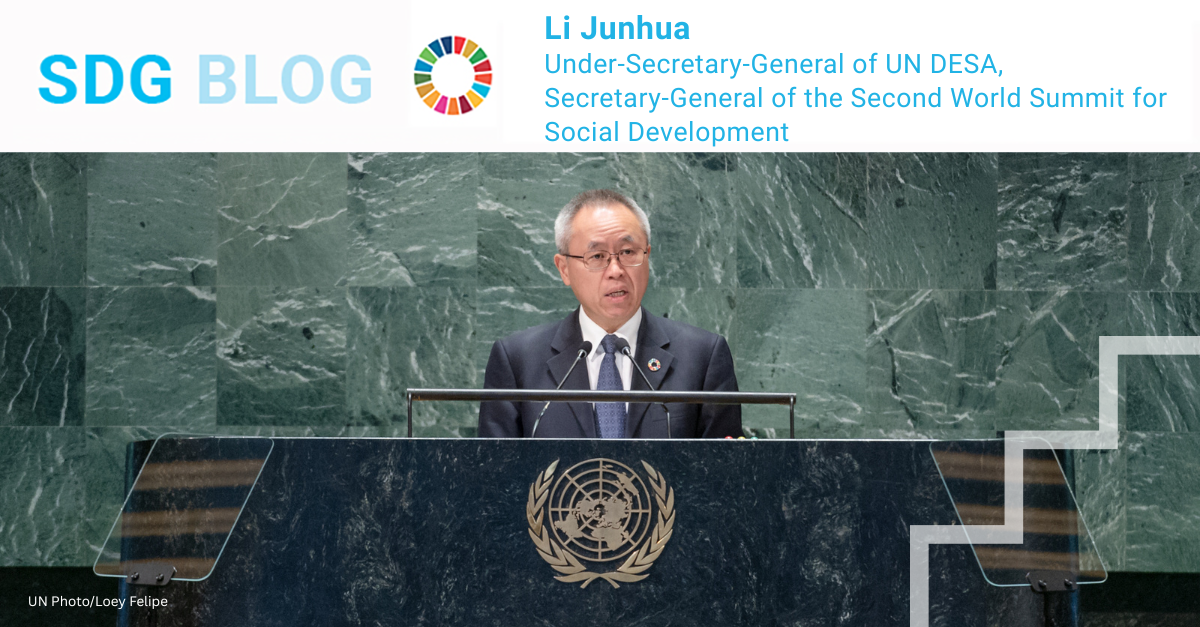
“Thirty years ago, the world gathered in Copenhagen and made a promise: to put people at the centre of development. This November, we meet again—this time in Doha—for the Second World Summit for Social Development. This Summit comes at a critical moment,” said UN DESA’s Under-Secretary-General, and Summit Secretary-General Li Junhua, pointing to widening inequalities, eroding trust and communities struggling with conflict and climate shocks.
From 4 to 6 November 2025, world leaders will gather in Qatar for the Second World Summit for Social Development. This journey began in Denmark, in 1995, where 117 countries agreed to the groundbreaking Copenhagen Declaration for Social Development and its Programme of Action.
Since then, the world has seen extraordinary economic and social progress. Over one billion people have escaped extreme poverty; access to healthcare, education and social protection has expanded; people are living longer and healthier lives; more women are able to join the workforce; and young girls can realize their hope for a future of opportunity and promise.
But challenges remain. Growing shocks from climate change impacts, conflicts, or disruptions from changing patterns of trade, production and technology are fueling uncertainty and anxiety. People are growing increasingly insecure, with many people engaged in precarious employment or not earning a living wage that meets their needs. Fueling this insecurity is a growing skepticism of the willingness of governments to put their people first.
People across generations – younger and older alike -are searching for answers to both growing and persistent social development challenges. This Summit will be an opportunity to deliver a response – one that that ensures dignity, provides opportunities, inspires hope and is rooted in action.
At the Doha Summit, Governments will adopt the Doha Political Declaration as the principal outcome. The declaration will reaffirm the centrality of eradicating poverty, promoting full employment and decent work for all, reducing inequality and enhancing social integration. The Declaration takes fully into account new and emerging issues that impact delivery of these objectives, such as digitalization and artificial intelligence, climate change and the global trend of eroding public trust in institutions, among other cross-cutting issues.
But the real success of the Summit will be measured by what happens after. By forging a new global consensus for accelerating social progress through multilateral cooperation, this Summit will ensure that people’s voices and engagement matter. Because in the end, development isn’t just about policies or politics — It’s about all of us.
“I invite you all to follow our efforts and join us in Doha, Qatar, from 4 to 6 November,” said Mr. Li. “Together, let us accelerate social development and make dignity and opportunity a reality for all.”
Learn more about the Summit: Second World Summit for Social Development
View the full programme here using our online platform TeamUp.
Follow Doha Solution and Studio sessions happening on the ground by browsing this site.
Be inspired by commitments made towards the Doha Solutions Platform for Social Development.
Follow efforts and deliberations live on UN Web TV.
What social progress means to people around the world
As preparations intensify for the Second World Summit for Social Development, to be held from 4 to 6 November 2025, the Accelerating Social Progress campaign invited people from all walks of life around the world to reflect on a single question: What does social progress mean to you?
The responses reveal a powerful message: social progress is about people, equality, and hope. Many participants described it as “a world where no one is left behind,” emphasizing the need for access to decent work, quality education, health care, and social protection.
Respondents underscored solidarity and community resilience, highlighted justice, trust, and opportunities for youth, and pointed to equality for women and persons with disabilities as key dimensions of progress.
From young changemakers to older innovators, people shared what progress means in their daily lives, innovation, compassion, intergenerational solidarity, and human rights as the moral core of development. These are the true expert voices: individuals living the realities of change and inclusion in their communities.
Together, their insights reaffirm that social progress is not measured solely by economic growth but by the well-being and dignity of every person. The collective voices gathered through the campaign will help shape the discussions in Doha, guiding efforts to renew political will for the Copenhagen Declaration and Programme of Action.
To capture even more perspectives, the online survey has now been extended until 7 November 2025.
6 lessons from 80 years of UN progress toward sustainable development
Photo credit: UNHCR
As the United Nations marks its 80th anniversary, one story stands out: the world’s journey—through challenges and breakthroughs—toward sustainable development for all. Advancing Together, a new UN DESA report, traces how the UN has helped transform global cooperation, uniting countries around shared goals for people and planet. Here are six key lessons from this journey:
1. From growth to sustainable development
The early decades of the UN focused on post-war reconstruction and economic expansion. Over time, that vision broadened to include social inclusion and environmental stewardship. The journey from growth alone to sustainable development marks one of the most transformative shifts of the UN.
2. From silos to integration
For years, economic, social, and environmental goals were treated separately. Advancing Together shows how they converged—culminating in the 2030 Agenda, where prosperity, equality, and planetary health are recognized as inseparable. True progress means advancing all three together.
3. Collaboration makes change possible
Major global conferences—from Stockholm (1972) to Rio (1992) and Paris (2015)— demonstrate the power of cooperation. Multilateral action through the UN has driven breakthroughs, from defining human rights to advancing gender equality, highlighting that shared challenges require shared solutions.
4. Resilience is key to enduring progress
Rising geopolitical tensions, persistent financing gaps, the widening digital divide, and the spread of misinformation are testing global solidarity. Yet progress continues—from renewed climate commitments to landmark outcomes of the Fourth International Conference on Financing for Development (FfD4)— proving that cooperation can endure even in turbulent times.
5. Foresight, adaptation, and innovation keep us future-ready
Anticipating change has long been a UN strength. UN DESA’s flagship reports help countries identifying risks early and be better prepared for future challenges. Investing in data, science, and digital innovation empowers institutions to adapt quickly and deliver results amid uncertainty.
6. Norms and inclusive multilateralism remain indispensable
Common frameworks—like the SDGs, the Paris Agreement, and the Pact for the Future—translate shared values into collective action. In a divided world, inclusive multilateralism is still the most effective path to tackle challenges no country can face alone, from climate change and pandemic preparedness to digital transformation and inequality.
Read more about this journey in UN DESA’s latest report “Advancing Together. Eight decades of progress towards sustainable development for all”available here.
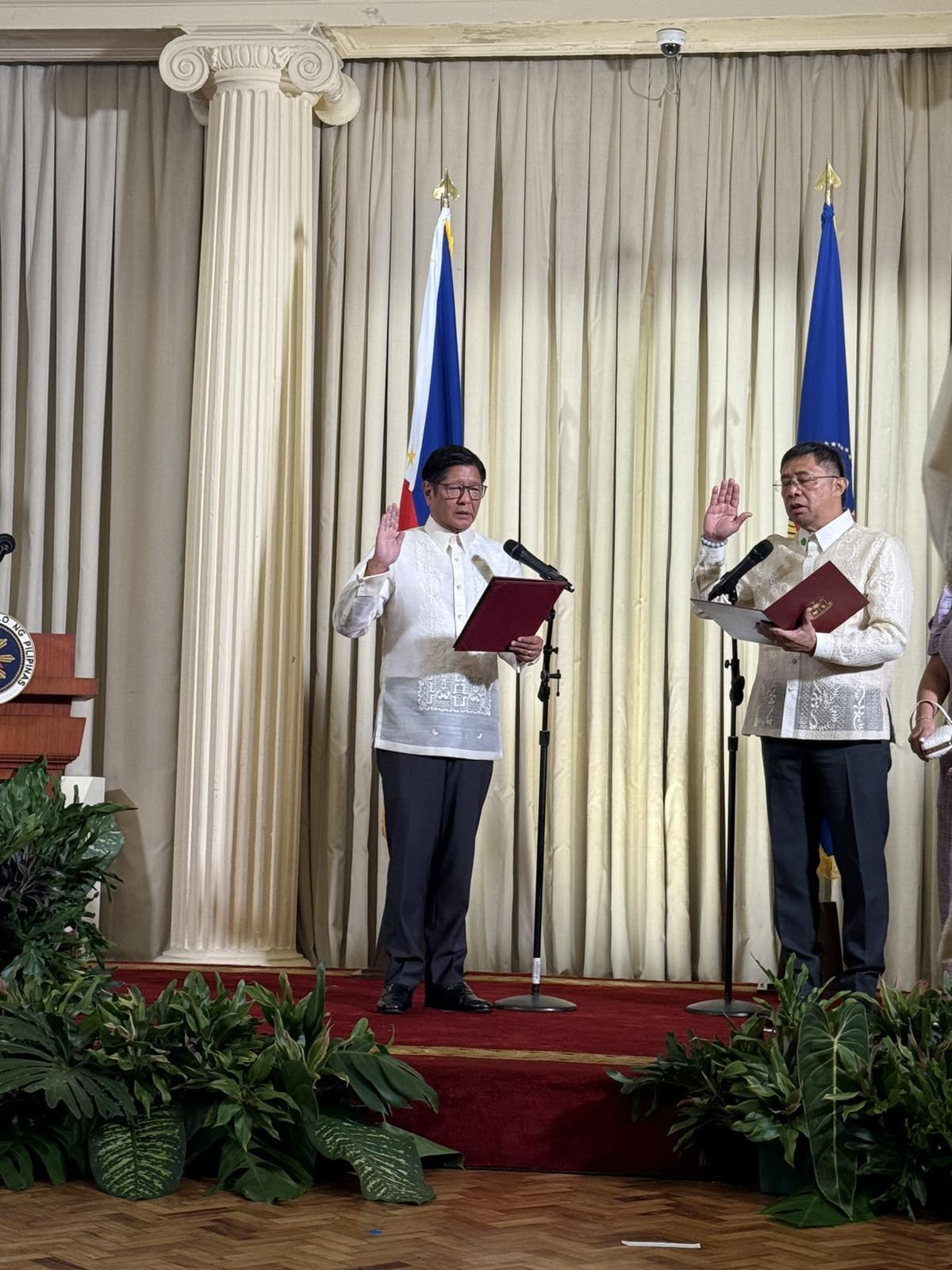
APBest warmly congratulates Justice Raul Bautista Villanueva on his appointment as Associate Justice of the Supreme Court of the Philippines. His years of service in the judiciary, most recently as Court Administrator, show his deep commitment to justice and improving the court system. His work has helped make the courts more efficient and accessible to the public.
Justice Villanueva is known for being fair, hardworking, and dedicated to the law. His new role in the Supreme Court is a well-deserved recognition of his contributions. We wish him all the best as he takes on this important responsibility and continues to serve the country with integrity.
“It makes a difference when we get together as a global community”
Only a few weeks into her position, UN DESA’s new Assistant Secretary-General for Policy Coordination, Ms. Bjørg Sandkjær, met with UN DESA Voice for a one-on-one interview. Bringing over 26 years of experience from working within the area of policymaking and international development, we spoke about her background, her passion for international solidarity, her new role, and the difference that international development makes for people around the world.
As we caught up with Ms. Sandkjær in the middle of April, the excitement and energy stemming from the ongoing ECOSOC Youth Forum was palpable at UN Headquarters. Considering her own experience as a youth delegate, the setting was fitting. “There are lots of young people from all over the world coming together in support of multilateralism and the United Nations,” Ms. Sandkjær said. “I look forward to meeting them,” she added, referencing her participation in the event.
Early commitment to international solidarity
Ms. Sandkjær spent part of her childhood growing up in Zambia, where she witnessed first-hand some of the great injustices in society. “This was the start of my commitment to international solidarity,” she said.
“Given my great interest in international collaboration, in dialogue, in bringing countries together to find solutions, I really wanted to work for the United Nations,” Ms. Sandkjær continued. Eventually, her commitment resulted in her successfully passing the National Competitive Recruitment Examination in 2001.
“A dream come true for me,” she said, describing how she started her path at the UN Economic Commission for Africa as a demographer, before moving on within the UN system.
Change can be achieved when we work together
While speaking about efforts towards improving people’s lives around the world, Ms. Sandkjær reflected on how change can truly be achieved when we all work together.
“I have seen great progress in the years that I’ve been engaged in the multilateral arena,” she said, recalling the International Conference on Population and Development in Cairo in 1994, when she participated as a youth representative of the World Council of Churches.
“30 plus years since then, we’ve seen that shifts really manifest itself in people’s lives, in communities all over the world,” she said. “It means something that we get together in this space, that is the United Nations,” she said. “We make decisions and then we make them happen.”
“For me, it’s very rewarding to see people being able to raise their voice and to voice their opinion,” Ms. Sandkjær continued, reflecting on what she finds being the most fulfilling working with international development and policymaking.
“It’s quite amazing to be here in the General Assembly Hall, where […] the world gets together,” she said, adding that “we don’t have to agree on everything, but we discuss, we listen to each other, and we come to agreements around important issues for people’s lives.”
Data is the foundation of our work
Ms. Sandkjær also discussed the critical importance of data and how it is the foundation of our work. “It sounds boring, but it is really at the heart of knowing where the problems are, knowing where the issues are, and then being able to figure out how to address them,” she said, naming several vital areas where data makes a difference in our lives; like censuses, surveys, civil registration and tracking progress of the Sustainable Development Goals (SDGs).
Discussing some of the events this year, and some of which she will also be overseeing in her role as Assistant Secretary-General, Ms. Sandkjær mentioned the Statistical Commission and the Commission on Population and Development, which completed their sessions earlier this spring. She also described the significance of the fourth International Conference on Financing for Development, the High-level Political Forum (HLPF) this summer, and her role in managing the planning and preparation for the Second World Summit of Social Development, which will take place in Qatar in November.
International development makes a difference
As we wrapped up our interview, we asked Ms. Sandkjær what she wants people to know about international development and the difference it makes for people on the ground? “The main message from me is that it works, it makes a difference,” she said.
“When we get together as civil society, as academia, as a private sector, as Member States, as the UN, we can eradicate poverty. We can achieve social justice, and we have the experience. We have the results and the examples to show that it really works.”
To learn more about Ms. Sandkjær’s background and experience, access her biography here. Follow Ms. Sandkjær on LinkedIn here.
Expert Voices
The 2025 STI Forum: A decade of bridging frontier knowledge and policy for global progress
Pioneering scientists and innovators will descend upon New York this month for the UN’s Science, Technology and Innovation Forum. We spoke with our expert, Alex Röhrl, ahead of the Forum about how the Forum has brought together governments, scientists, and entrepreneurs to share new ideas and technology solutions that are making a real difference in fighting poverty, protecting the planet, and improving lives around the world for the past decade.
This year, the Forum is celebrating its 10th anniversary. What impact has the Forum had so far, in leveraging science, technology and innovation to boost progress on the global goals?
“Since its inception in 2016, the UN’s Forum on Science, Technology and Innovation has become the UN’s principal multi-stakeholder hub for bridging science and policy to achieve humanity’s goals and aspirations.
As the flagship annual event of the Technology Facilitation Mechanism, it has reintegrated science and technology discourse into UN Headquarters after decades of absence, catalyzing a wave of initiatives across the UN system. The Forum has brought together governments with thousands of innovators, researchers and entrepreneurs – many new to the UN – stimulating cross-disciplinary, cross-sectoral dialogue.
The Forum has helped surface and scale innovative solutions – ranging from solar-powered health diagnostics to AI for sustainable agriculture. Its science-policy briefs, compiled through global open calls, have addressed frontier areas like synthetic biology, digital public goods and carbon removal.
The Mechanism’s Inter-Agency Task Team now spans 51 UN entities working collaboratively, among others, on capacity-building, including national science and technology roadmaps, and analysis of frontier science and technology developments. Importantly, the Forum fosters inclusivity, with high participation from women scientists and stakeholders from developing countries, ensuring global technological progress is informed by diverse voices.”
What are some of the recent innovations that will help us advance sustainable development and improve peoples’ lives?
“Recent innovations showcased at past Forums offer concrete pathways toward the achievement of our global goals and aspirations. In 2024, youth-led innovations included, among others, inflatable flood barriers for climate resilience, off-grid milk pasteurizers enhancing rural food safety and portable solar-powered air pollution detectors for urban health monitoring.
On the frontier of science, the convergence of biotechnology and AI is enabling “labs-on-a-chip” that democratize access to genomic analysis, empowering community health surveillance and local biotech development – even in resource-limited settings. AI models are now being developed to optimize water use in agriculture, predict crop yields and enable early disease detection in plants and livestock.
Another promising area is sustainable materials. Researchers are developing biodegradable alternatives to plastics using microbes and seaweed. Meanwhile, the miniaturization and affordability of clean energy tech – like low-cost solar panels and microgrids – is helping electrify last-mile communities.
Many of these innovations emerge from the Global South, reflecting the growing strength of distributed innovation ecosystems. The Forum’s role has been pivotal in elevating these solutions onto the global stage and connecting innovators with funders and policy platforms.”
During this year’s Forum, there are sessions that connect with major upcoming events to protect our ocean and advance financing for sustainable development. Can you tell us how the Forum connects with these events, and how it also works to help solve some of the pressing issues that these events address?
“The Forum’s 10th session strategically aligns with two major milestones: the 2025 UN Ocean Conference and the Fourth International Conference on Financing for Development. This alignment isn’t accidental – it reflects the Forum’s growing role in broader sustainable development processes. This year’s Forum will have dedicated thematic sessions on oceans and coastal ecosystems and on financing science and technology.
On oceans, the Forum explores science-based innovations for marine protection, from satellite-based fisheries monitoring to ocean-based carbon removal and blue biotechnology. In previous sessions, it highlighted the need for better marine data ecosystems and equitable access to ocean technologies, especially for small island developing States.
On financing, the Forum plays a bridging role, linking innovators with development finance actors. It showcases scalable technologies requiring investment and emphasizes the need for STI-inclusive public finance frameworks. It also builds the case for larger investments in science and technology as catalytic for overall progress, offering co-benefits in health, education and climate.
By convening technologists, policymakers and financiers in one space, the Forum fosters integrated solutions—like financing mechanisms to support community-driven tech innovations or blended finance for climate-smart infrastructure. It operates as a connector, incubator and catalyst across both themes.”
Artificial intelligence is revolutionizing our world. What do you see as some of the actionable pathways for AI to reduce inequalities, promote innovation and empower communities worldwide?
“AI holds immense potential to address global inequalities—but only if deployed inclusively. The STI Forum has emphasized that we must not simply ‘apply’ AI to existing systems but co-design it with affected communities to avoid reproducing biases or exclusions.
Actionable pathways include expanding AI capacity-building in the Global South through open-source tools, partnerships with research institutions and South-South collaboration. Community-driven AI projects—like early warning systems for floods or AI-assisted translation for endangered languages—can enhance resilience and preserve cultural diversity.
Another promising avenue is AI for public services. AI-powered health diagnostics can bring advanced care to remote clinics. In agriculture, AI can empower smallholder farmers with real-time guidance on planting and irrigation, improving yields and incomes.
Crucially, the Forum has called for governance innovation. This includes global norms for ethical AI, inclusive data governance and human rights-based frameworks. It has also advocated for investment in and sharing of AI research and infrastructure and the establishment of interdisciplinary science-policy interfaces to guide responsible AI scaling.
The 2025 STI Forum will continue this momentum, with a special focus on AI, helping policymakers and technologists chart equitable, innovative paths forward.”
The world has seen extraordinary social and economic progress over the past three decades. Yet, most people are dissatisfied with their lives: 60 per cent of the world’s population are struggling and 12 per cent are suffering, according to a recent global poll. Many also believe that life is worse now than it was 50 years ago. These are some of the key findings from the newly released World Social Report 2025. Here are 6 main takeaways.
1. The social contract is under threat
Rising insecurity and inequality are eroding trust and straining social bonds. While recent crises put insecurity and distrust in the spotlight, these problems have been building for decades.
2. Many people remain one misfortune away from poverty
More than a third of the world’s population lives on between $2.15 and $6.85 a day. Even a minor setback can push people into extreme poverty. In South Africa, for instance, 80 per cent of people experienced poverty at least once between 2008 and 2015.
3. Inequalities persist
Two-thirds of the world’s population live in countries where income inequality is growing. Without urgent action, leaving no one behind will remain a distant goal by 2030.
4. Insecurity and inequality are undermining cohesion and fueling distrust
Over half of the global population has little or no trust in their government. Alarmingly, trust levels have been declining from one generation to the next. The rapid spread of disinformation is exacerbating these troubling trends.
5. Market-first policies have failed to deliver inclusive social progress
Decades of deregulation, privatization, and austerity have sparked social backlash, sowing distrust and political anger.
6. Governments and the international community can chart a different course
Overcoming today’s social crisis and accelerating progress towards the Sustainable Development Goals requires fundamental shifts in policy, institutions, norms, and mindsets. The World Social Report 2025: A New Policy Consensus to Accelerate Social Progress, builds the case for a new policy consensus anchored in three principles—equity, economic security for all, and solidarity—essential to strengthening the three dimensions of sustainable development.
Statisticians come together with a shared vision to secure trusted data
“Data are critically important for everyone,” says Stefan Schweinfest, Director of UN DESA’s Statistics Division. “All the decisions that you take in your life, you’re basing them on data,” he stressed, as we spoke on the important work of the UN Statistical Commission. On 4-7 March 2025, some 600 statisticians from across the world will come together at UN Headquarters in New York to ensure better data, better lives.
From everyday choices – what clothes to wear based on temperature data; or what route to take when commuting; to informing decisions that matter for improving peoples’ lives – it is all based on data. “You need to know how many people you have in your country and what groups you have to take particular care of,” Mr. Schweinfest said, explaining the importance of data in managing services like health care and education.
Commission to focus on two big topics this year
A veteran in the statistical community, we met Mr. Schweinfest on the eve of the Commission’s 56th session. He shared that two big topics will be addressed this year – the 2025 Systems of National Accounts, and the 2030 World Population and Housing Census Programme.
“We will adopt a new system of national accounts,” he explained, describing its most recognized element, the Gross Domestic Product (GDP). “The system of national accounts is the guidebook to measure your economy the same way, whether you are in Mongolia or in Paraguay,” he said, noting that using the same statistical language enables countries to successfully exchange information and experiences.
“Every decade, the United Nations calls and declares a census round,” Mr. Schweinfest continued, describing the process of countries committing to counting their people. The census will help the international community better understand where people live and what their living conditions are, which later forms the basis for policy advice and decisions. “At the end, we will have good numbers for all of the countries and the whole world,” he explained.
Combining census data with economic trends
Mr. Schweinfest also outlined the possibilities when pairing census data with economic trends.
“With the system of national accounts, you understand where income is generated, which activities generate income and how the income is distributed in your population,” he said. He also described how this process can help countries intervene when needed to make sure that the well-being of people as well as the environment are protected.
Mr. Schweinfest also emphasized that the work on going beyond GDP to make nature count, is part of ongoing efforts in the statistical community, integrating economic and environmental accounting.
How data helps advance sustainable development
“I’m very proud of the statistical community,” Mr. Schweinfest said, as we discussed the role the statistical community plays in advancing sustainable development and the Sustainable Development Goals (SDGs).
“I think the deliberate decision in 2015 was to make the development agenda an accountability framework. That’s why it was structured in goals, targets and indicators. And whilst the goals and targets obviously come from the political sphere, the indicators were really managed in this room,” he said, describing how these 240 indicators help the international community measure and assess SDG progress every year.
A professional community of solidarity, with a shared vision
As the UN Statistical Commission comes together this month, it will also discuss other important matters including the Fundamental Principles of Official Statistics, SDG indicators, environment and climate change statistics, environmental-economic accounting, household surveys, economic statistics, and many more topics.
Mr. Schweinfest described the privilege he feels, being part of the Commission’s work. “To look at this room full of people who’ve come to […] discuss these topics, that is always a fantastic feeling,” he said. “I look at us as a community of solidarity, a professional community with a shared vision,” he continued, stressing that it is all about ensuring data quality and reliability.
He also looked back at some major developments of the Commission’s work over the past 36 years. “It is a much bigger Commission,” he explained, sharing how there are many more countries participating. “Nowadays we have sessions with 120 and 140 countries […]. It has also become much bigger and broader in terms of topics,” he said, highlighting integrated economic and environmental statistics, as well as human rights and governance statistics, as some of the new areas covered by the Commission.
Mr. Schweinfest also highlighted that there are more interesting data sources these days, including private sector data, big data, citizen reported data, geographical and geospatial data.
As we wrapped up our interview in Conference Room 4 at UN Headquarters, or the Commission’s “natural habitat”, as Mr. Schweinfest described it, he concluded, “I’ve always considered that this is the best job in the universe.”
How the Development Cooperation Forum delivers SDG impact
This month, the Development Cooperation Forum (DCF) will come together to discuss global financial architecture reforms and financing the Sustainable Development Goals (SDGs). Ahead of the event, we spoke with Shari Spiegel, Director of UN DESA Financing for Sustainable Development Office, who highlighted the Forum’s significance in shaping international development cooperation and accelerating progress toward the goals.
What role does the Forum play in supporting other significant milestones for 2025?
“The DCF is particularly crucial this year as it will inform the 4th International Conference on Financing for Development and the 2025 High-Level Political Forum—especially discussions on strengthening global financial architecture reforms and enhancing the means of implementations of the SDGs. More than just a policy dialogue, the 2025 DCF presents a key opportunity to ensure development cooperation delivers real, measurable results in line with country needs and priorities.”
What key issues will the Forum address this year?
“The 2025 Forum comes at a pivotal moment amid a lively global discourse on the importance of international development cooperation. With 600 million people still projected to live in extreme poverty by 2030 and an SDG financing gap of up to $4 trillion annually, discussions at the Forum will focus on making development cooperation more effective, inclusive, and responsive to country needs and priorities.
On day one, the Forum will explore how development cooperation can better respond to today’s challenges, balancing crisis response with long-term sustainable development. Discussions will also examine how development finance tools and instruments—such as grants, loans, and blended finance—can be adapted to better serve national development strategies. Strengthening country leadership and ownership in directing development efforts will also be a major theme.
On day two, the focus will shift to enhancing coordination among development partners, ensuring that cooperation is driven by national needs and priorities. The Forum will also explore ways to strengthen global and regional cooperation, making development efforts more cohesive and impactful.”
How does the Forum help advance the SDGs?
“A key discussion in the Forum will be how to ensure we advance all of the SDGs not just a select few, especially by balancing humanitarian aid with long-term development and climate adaptation. Experts will also address the growing fragmentation of development finance and strategies to ensure stronger collaboration across all actors.”
Learn more about the Development Cooperation Forum 2025, taking place on 12-13 March under the theme “Transforming International Development Cooperation: From Global Dialogue to Action,” here.
Things You Need To Know
5 reasons why the International Day of Forests matters
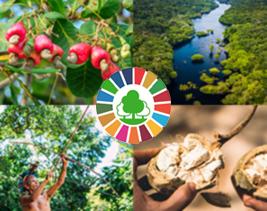
This year’s International Day of Forests highlights the vital role of forests in food security, nutrition, and sustainable livelihoods. This year’s theme, “Forests and Foods,” connects forests to global efforts to combat hunger, protect biodiversity, and address climate change. Here are 5 reasons why this year’s theme is so important.
1. Forests feed the world
Forests provide a variety of edible resources, from fruits, nuts, and seeds to wild game and mushrooms. More than five billion people depend on forests and non-timber products for food, medicine, and income.
By sustaining pollinators, improving soil fertility, and regulating water cycles, forests enhance agricultural productivity. Agroforestry—a farming method that integrates trees and crops—can boost food security while preserving ecosystems.
Forests act as carbon sinks, absorbing billions of metric tonnes of CO₂ annually. Sustainable forest management helps mitigate climate change, protecting food systems from climate-related disasters like droughts and floods.
Forests host 80% of terrestrial species, supporting ecosystems that sustain healthy, resilient food systems. Protecting forests is crucial for maintaining biodiversity, preventing land degradation, and securing food sources.
Millions, especially Indigenous Peoples and rural communities, rely on forests for employment and income. Strengthening sustainable forest-based value chains—like non-timber forest products—improves economic resilience.
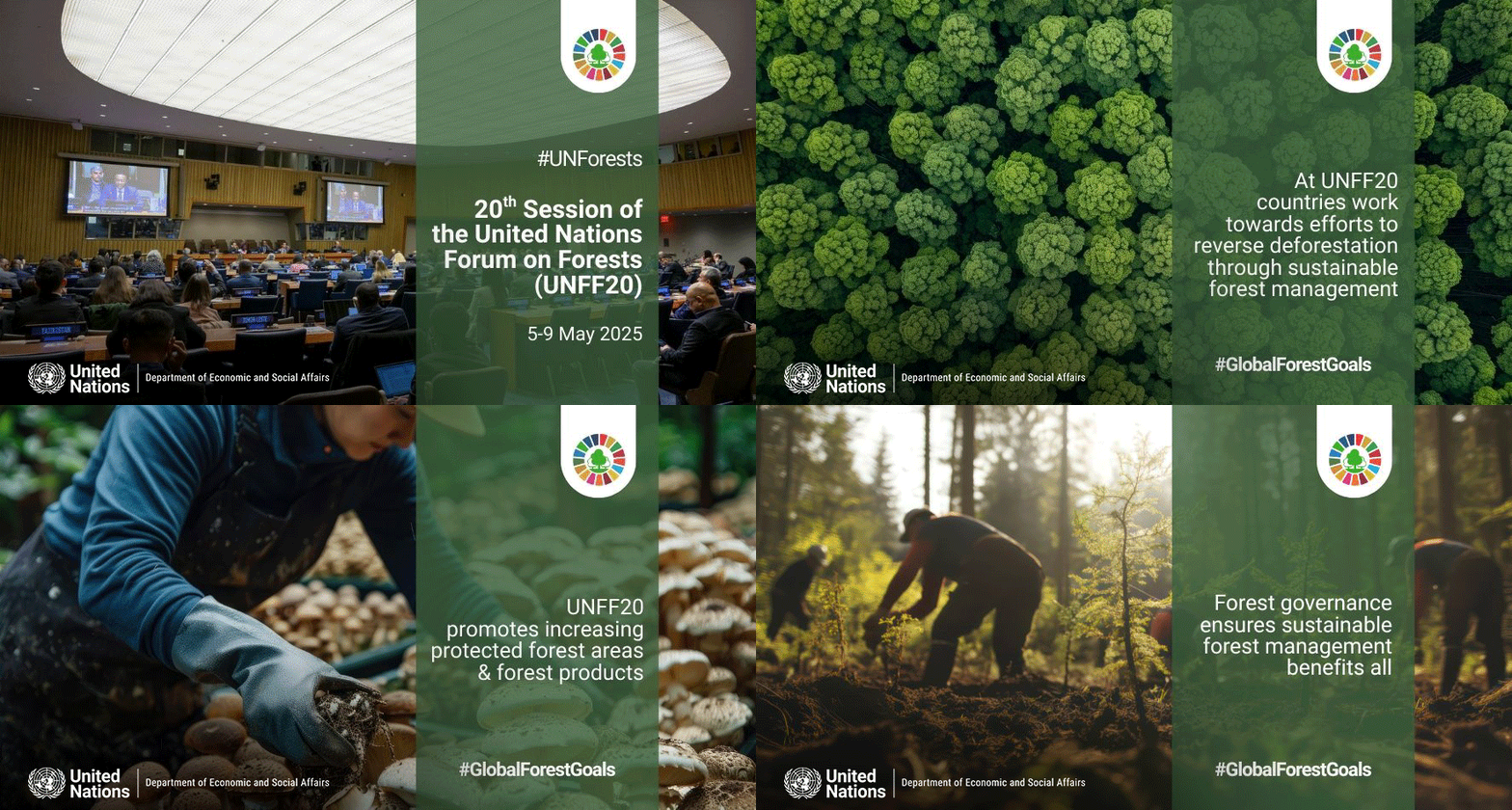
The International Day of Forests, observed annually on 21 March is led by the UN Forum on Forests Secretariat, UN DESA, and FAO to raise awareness and promote sustainable management, conservation and sustainable development of all forests and trees for present and future generations. This year’s International Day of Forests reminds us that forests and food are deeply interconnected.
Join the conversation using #ForestDay and help advocate for sustainable forest management and food security for all! You can also join the event at UN Headquarters in-person or through UN WebTV.