UN DESA Monthly Newsletter for July and August 2026

UN DESA Voice Logo

Monthly Newsletter: Vol 30, No. 7 – July 2026
Download this issue as a PDF: DESAVoiceJulyAugust2026.pdf


HLPF 2026: Where hope turns into action for a sustainable future

Our world is grappling with multiple persistent crises. Climate shocks, geopolitical tension, poverty, and growing economic uncertainty are all imposing burdens and impacting people’s everyday lives. With only four years until the 2030 deadline of the Sustainable Development Goals (SDGs), the need for action is more urgent than ever.

Expert Voices

Delivering energy access: leaving no one in the dark

Despite notable progress over the past decade, millions of people still live without electricity. With 2030 fast approaching, we spoke with UN DESA’s energy data experts Leonardo Souza and Jessica Ying Chan about closing the energy divide for good with insights from Tracking SDG 7: The Energy Progress Report 2026.

Things You Need To Know

 Photo credit: © FAO/Giulio Napolitano

4 things you should know about the latest data on SDG progress

As world leaders gather at the High-level Political Forum on Sustainable Development to take stock of progress on the 17 SDGs, UN DESA’s Statistics Division is releasing The Sustainable Development Goals Report 2026 on 7 July 2026. Here is what the data show.

Animation highlighting latest global energy trends and the SDG 7 Tracking Report.

SDG Blog by y Li Junhua, Under-Secretary-General for Economic and Social Affairs

More from UN DESA

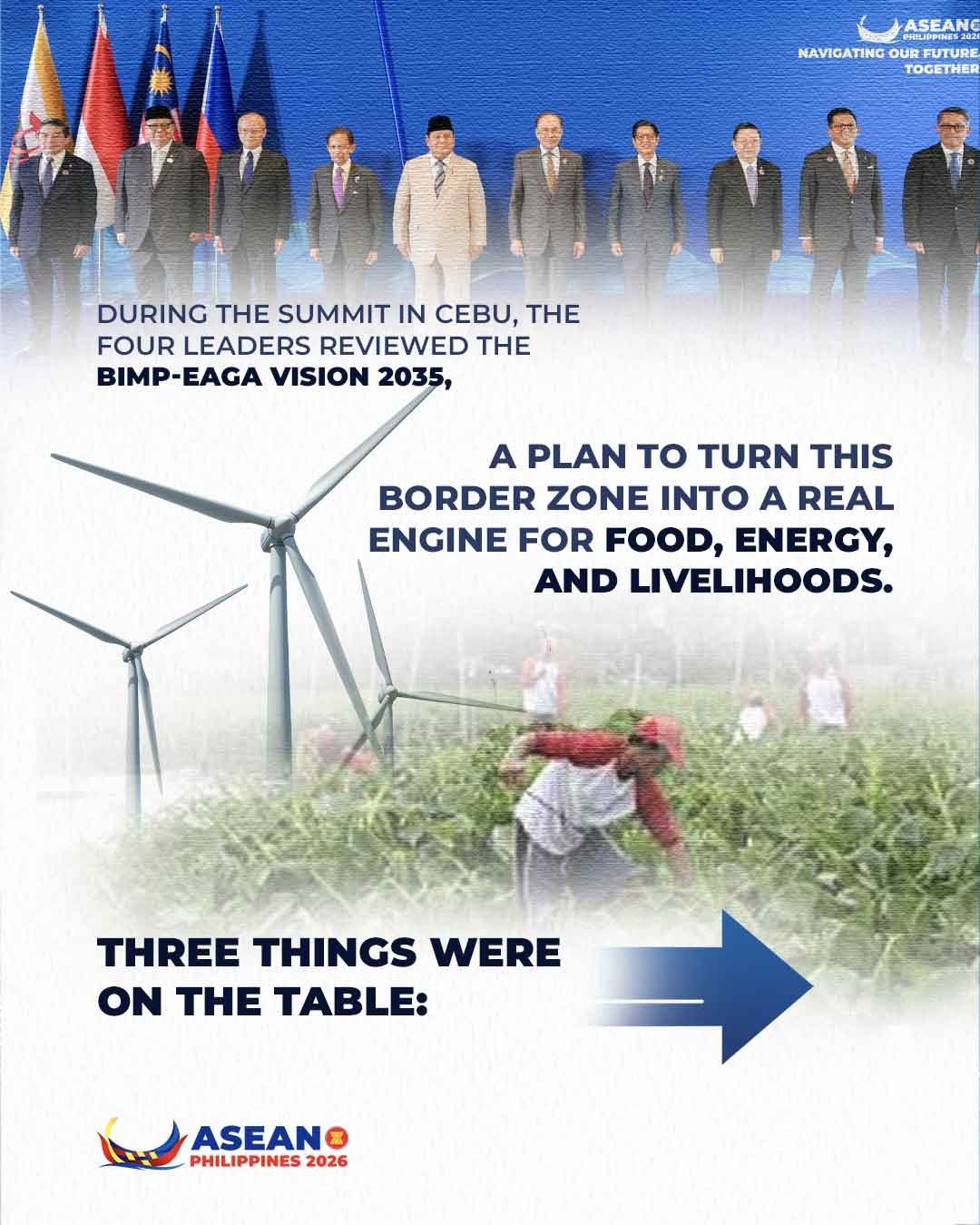
Advancing BIMP-EAGA within ASEAN 2026

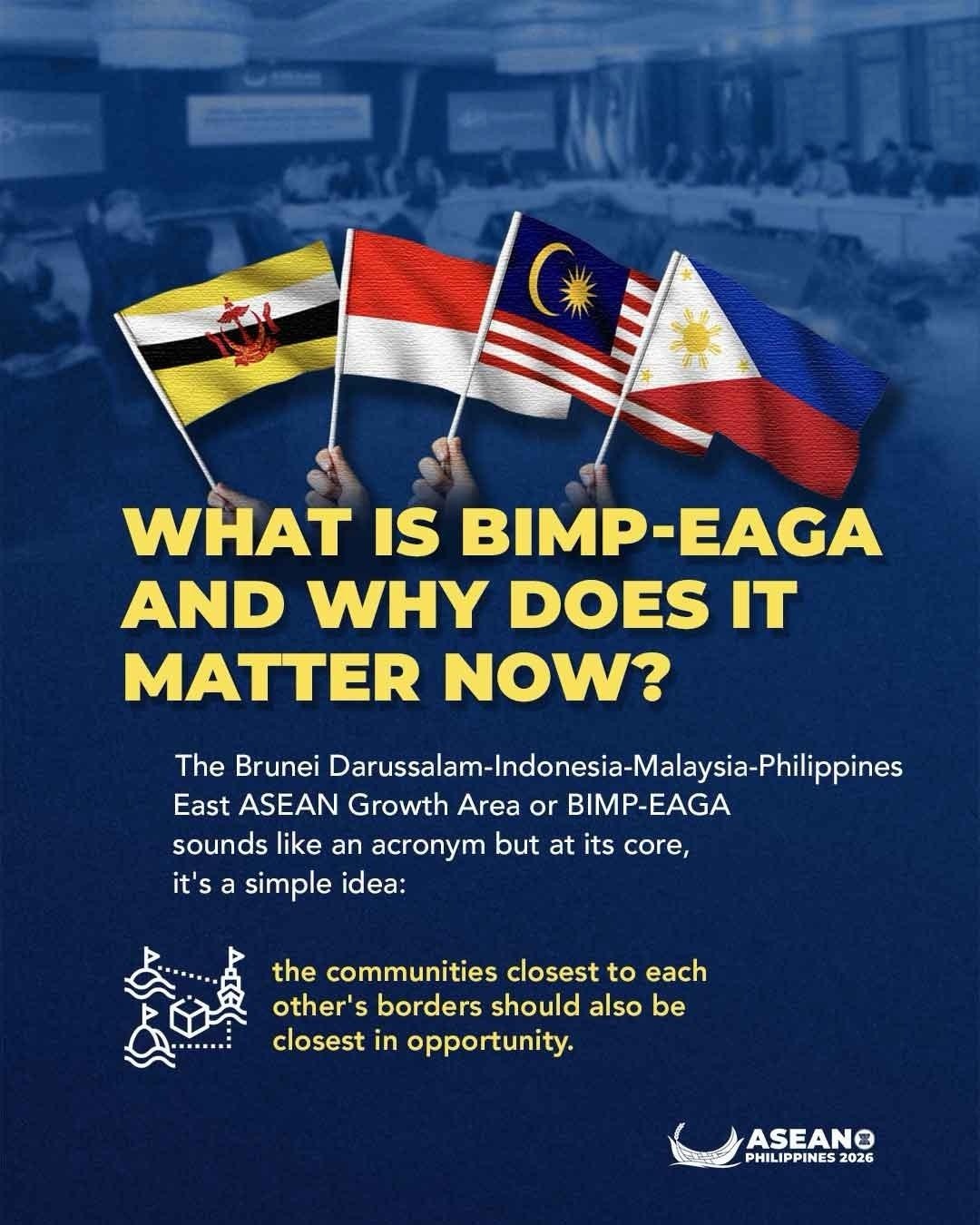
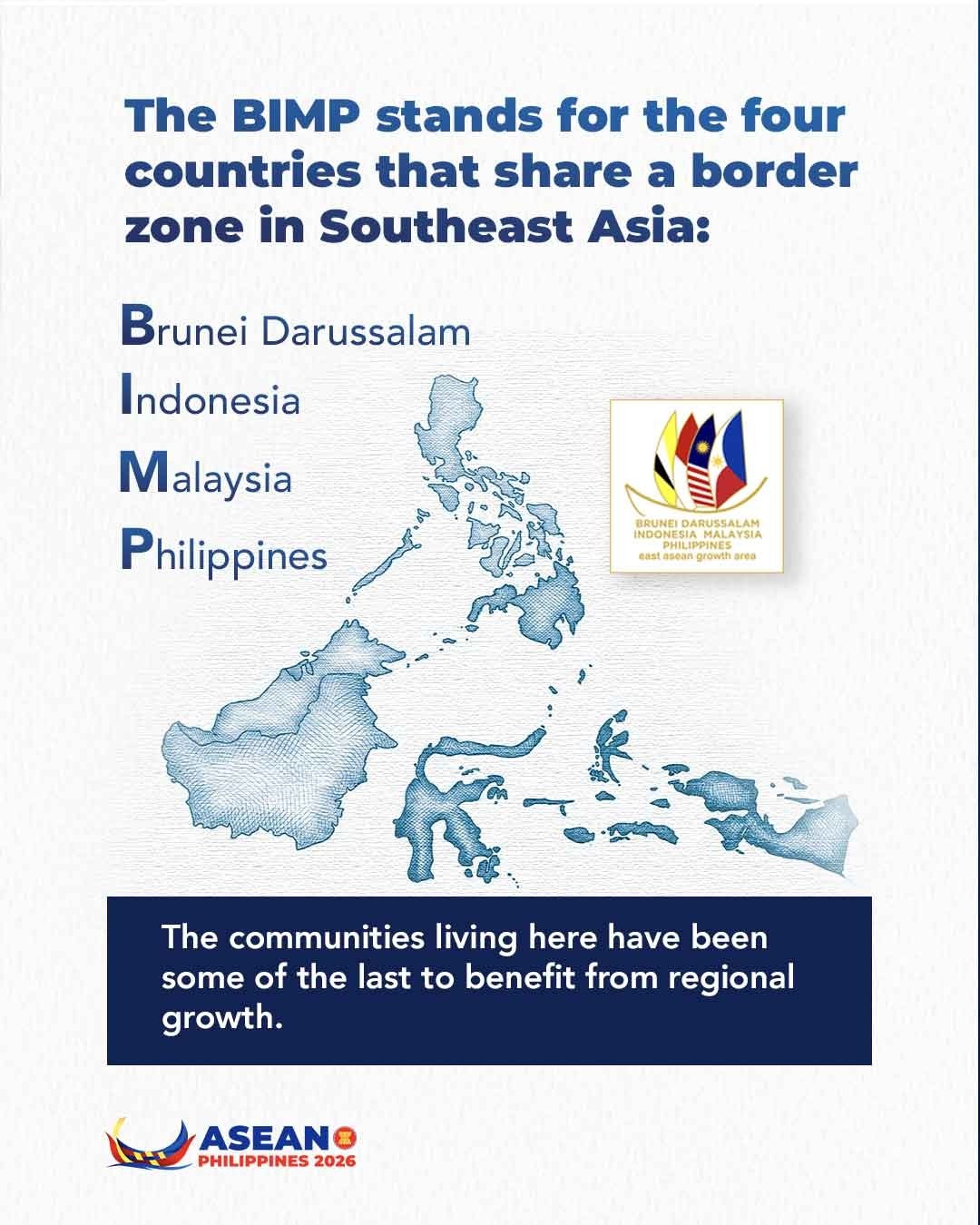
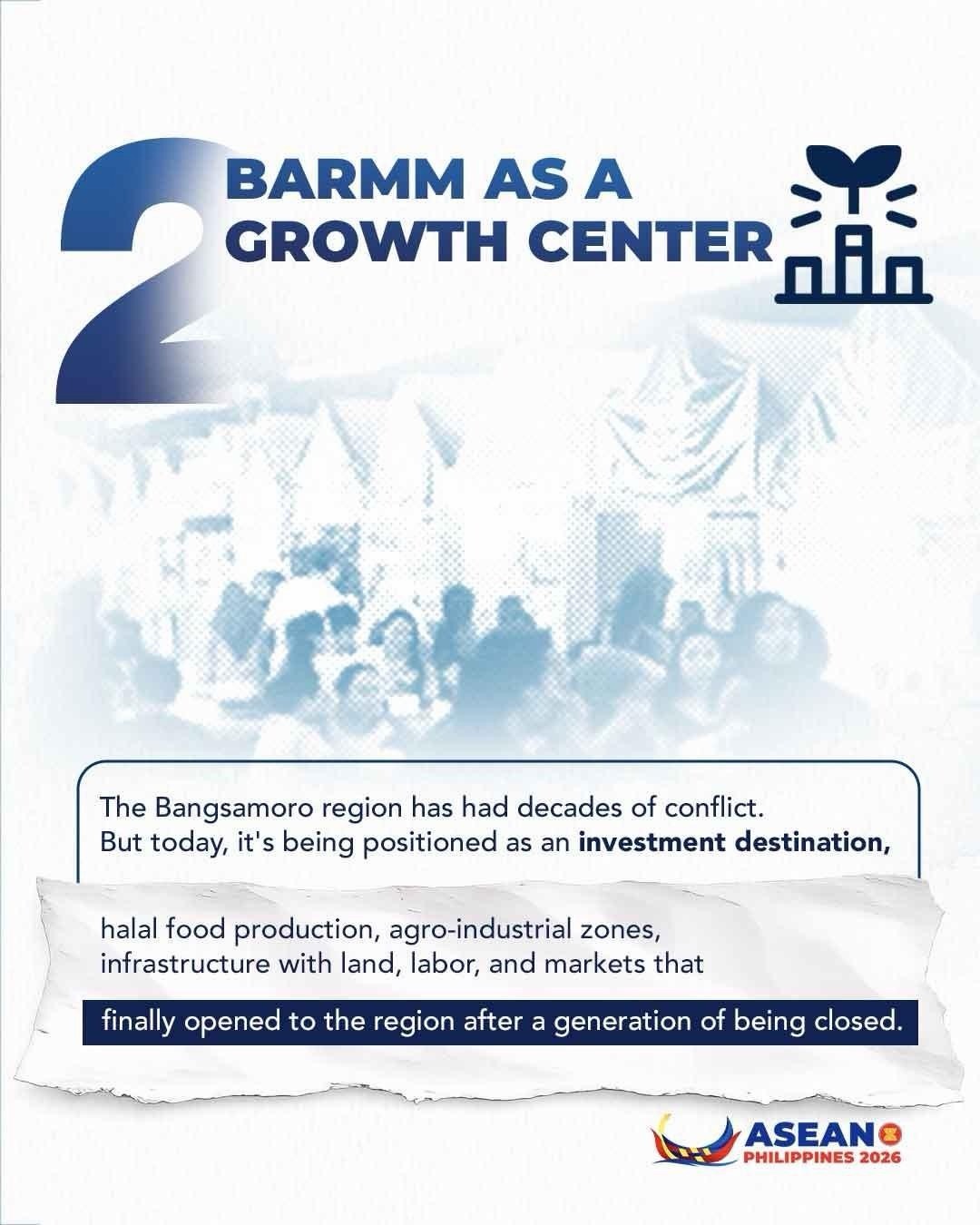
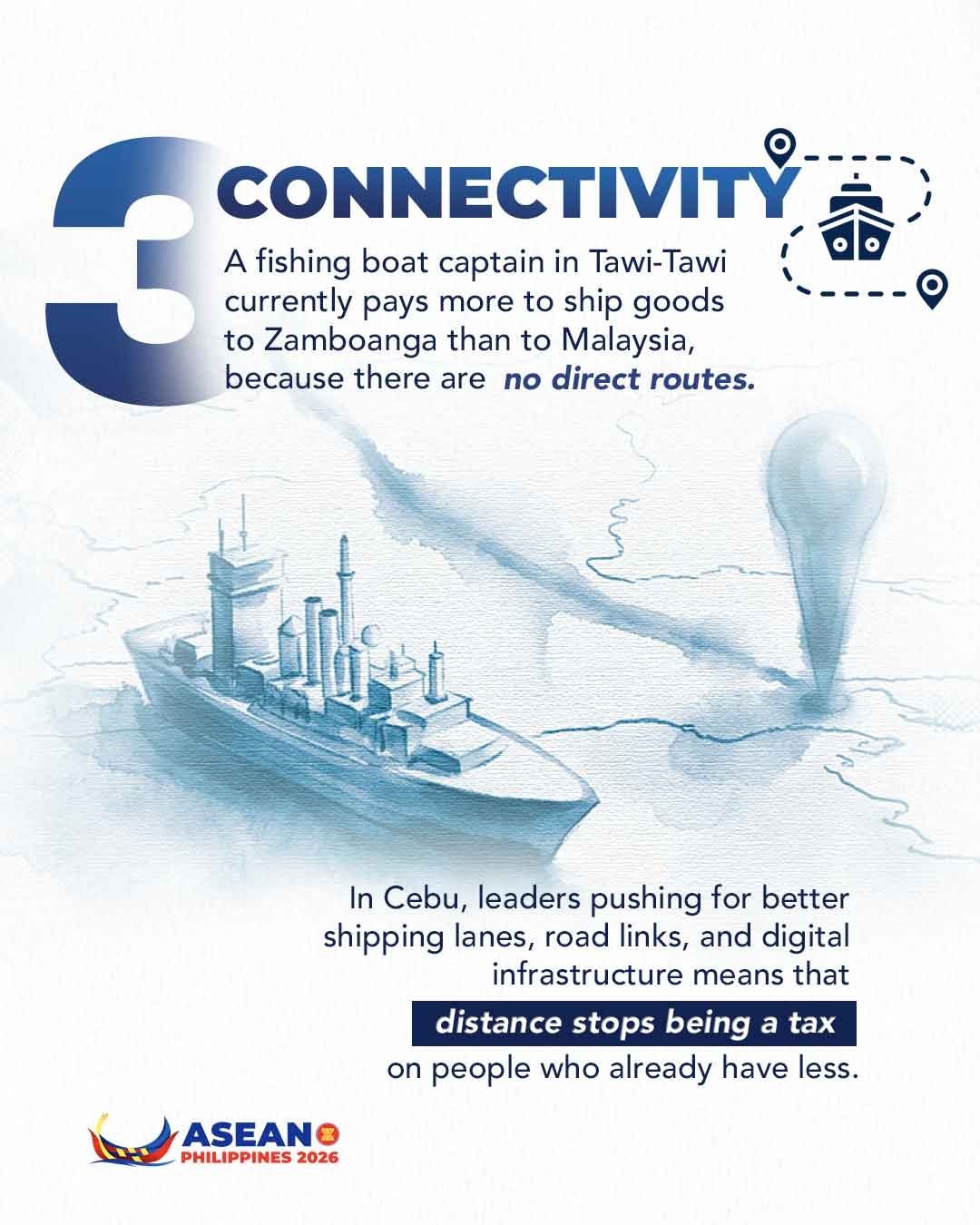
BIMP-EAGA brings together Brunei Darussalam, Indonesia, Malaysia, and the Philippines around one simple idea: the communities closest to each other’s borders should also be closest in opportunity.

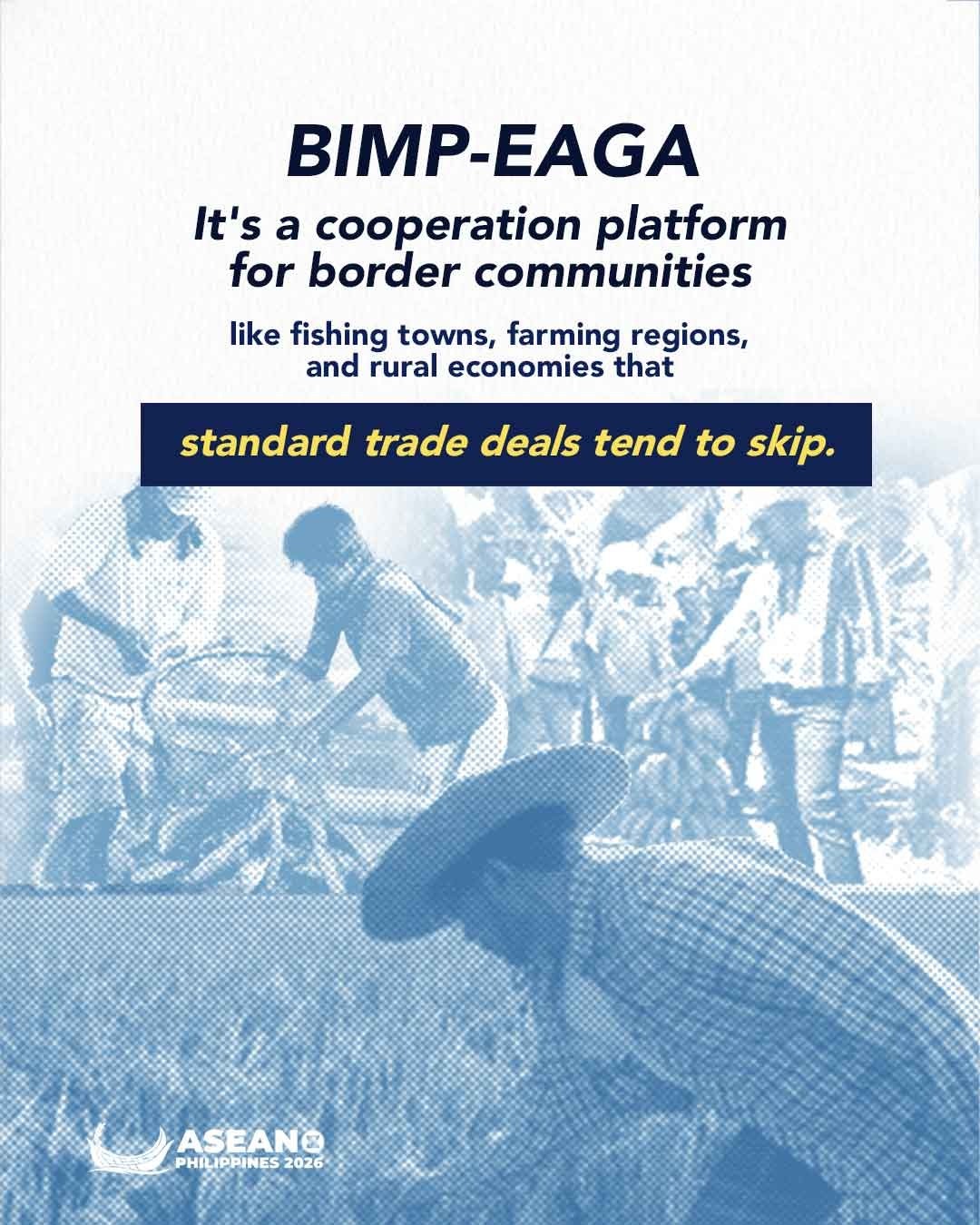
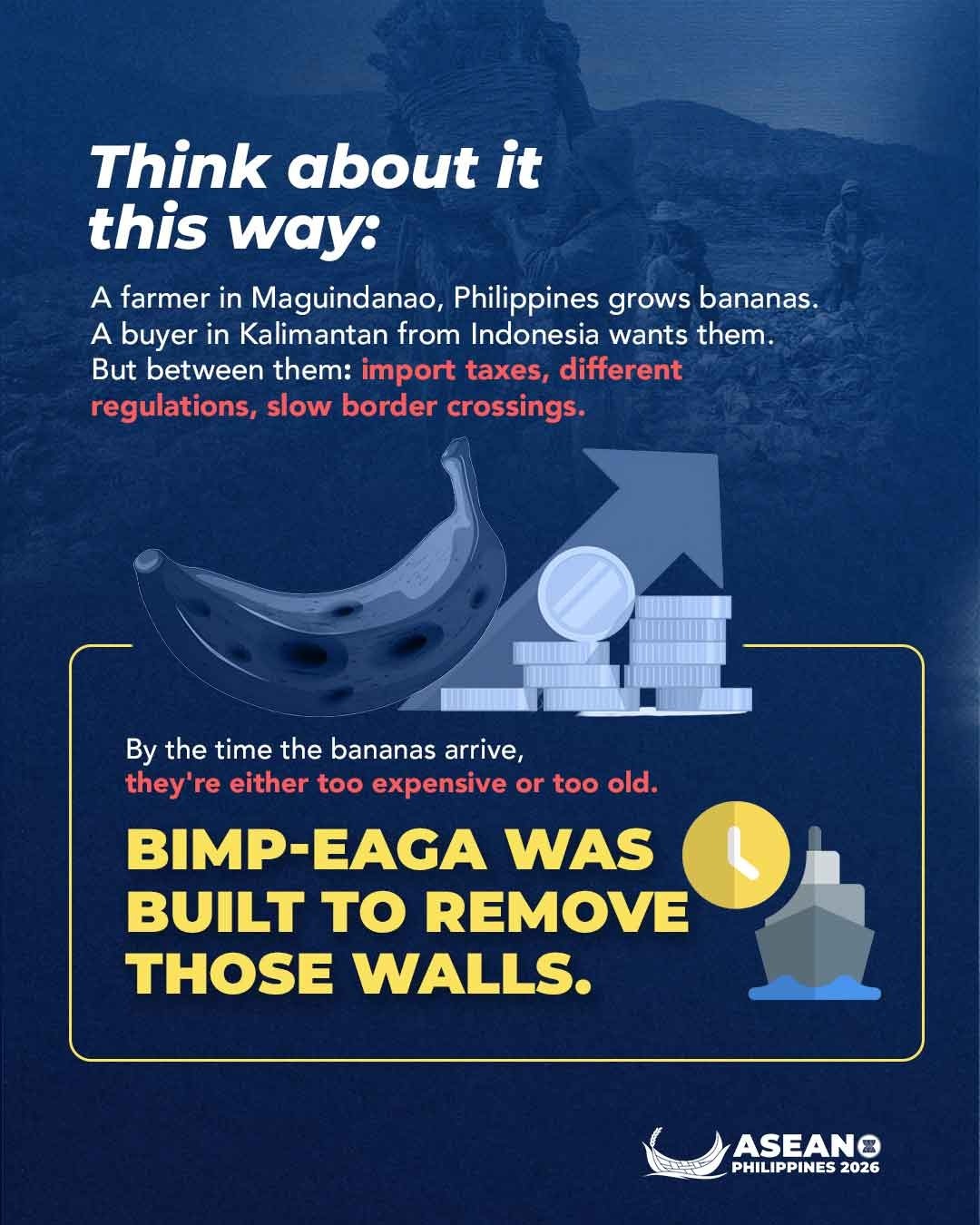
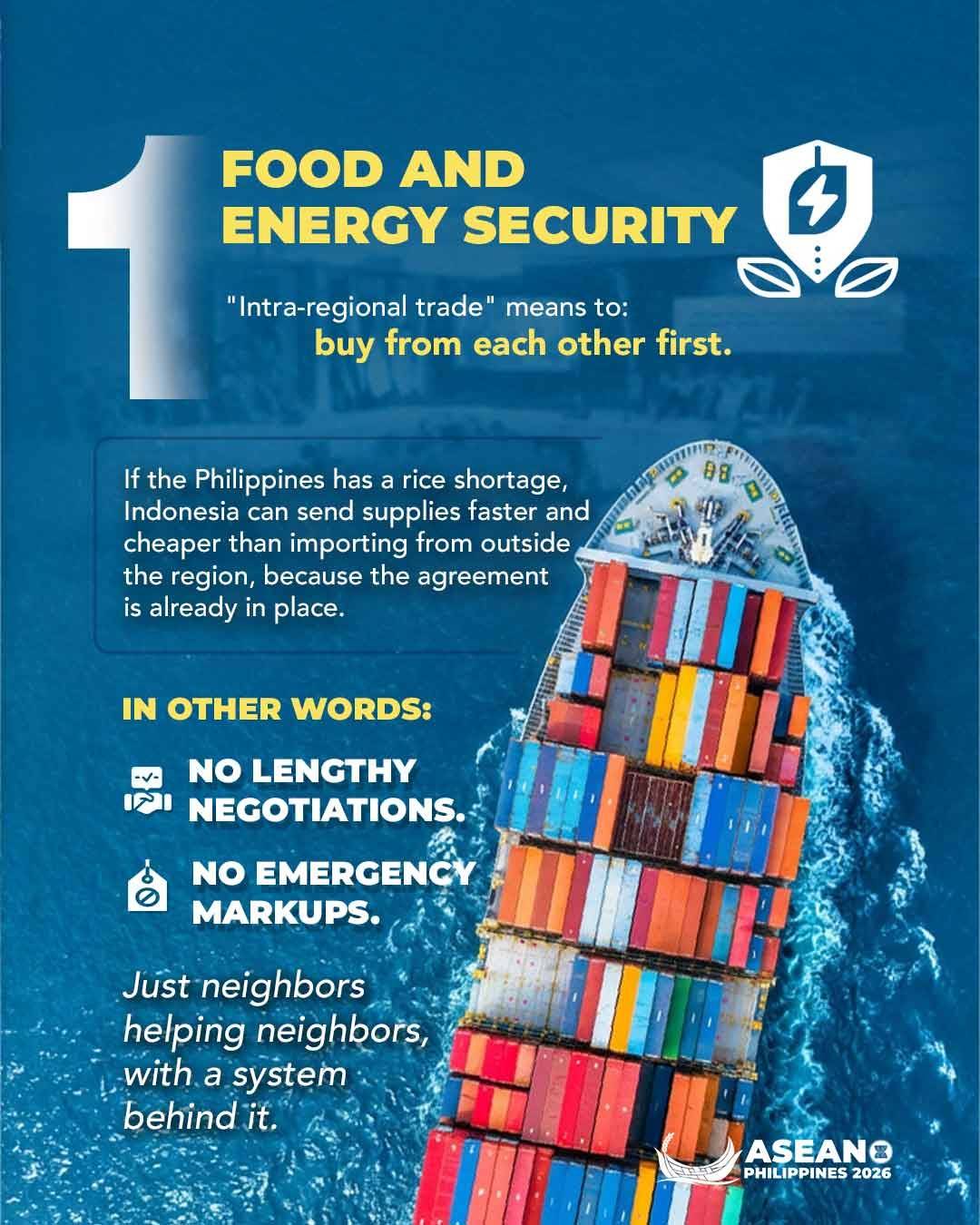
From food security to connectivity and regional growth, here’s why the conversation in Cebu matters, and why it affects real people, real livelihoods, and real opportunities across Southeast Asia.

Photo c/o Presidential Communications Office 

Photo c/o Presidential Communications Office 


Photo c/o Presidential Communications Office Photo c/o Presidential Communications Office 

Photo c/o Presidential Communications Office 

Photo c/o Presidential Communications Office 

Photo c/o Presidential Communications Office 


Read more here: BIMP-EAGA at ASEAN2026

UN DESA Monthly Newsletter for May 2026

Monthly Newsletter: Vol 30, No. 5 – May 2026

Download this issue as a PDF:

Delivering on the promise of Sevilla 

In a world tormented by war, crises and an already fragile economy, financing challenges, including in response to shocks, continue to obstruct progress towards sustainable development. Many of the poorest and most vulnerable countries are experiencing a “financing squeeze”, suffering from historically high debt service burdens, unprecedented declines in aid, and structurally low tax revenue. A more fragmented world economy is undermining trade, investment and capital flows.

Expert Voices

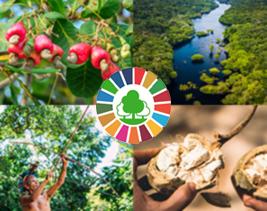
Forests are running out of time. How can we save them?

Forests cover nearly one-third of our earth and sustain billions of lives. Yet, they’re disappearing rapidly, putting our natural world and economy at risk. The new Global Forest Goals Report 2026, launching this month, will reveal just how much ground we’ve lost and what it will take to turn the tide before 2030. We spoke with UN DESA’s expert Shyam Paudel about the report and what we can do to reverse course.

Things You Need To Know

7 things you should know about innovating for sustainable development

This month, young innovators, scientists, world-leading experts and entrepreneurs are coming together at the annual STI Forum with one purpose – to leverage their knowledge and solutions to accelerate progress on the Sustainable Development Goals (SDGs). Here are 7 things you should know about this annual event and efforts to innovate for a sustainable future.

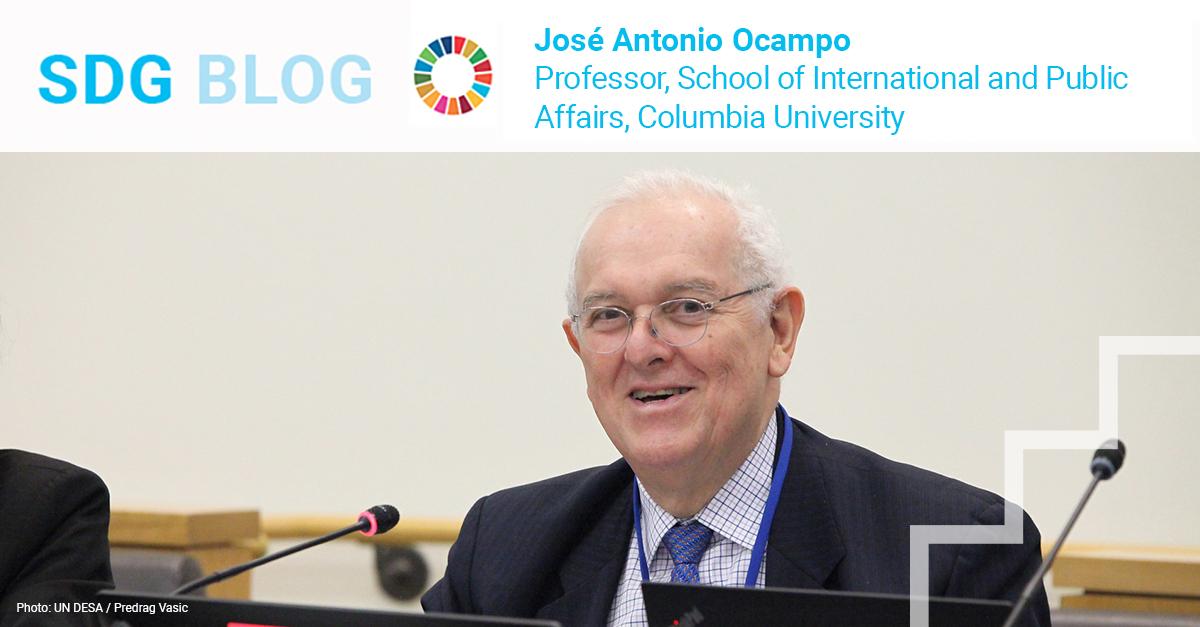
SDG Blog by Amina J. Mohammed, United Nations Deputy Secretary-General

More from UN DESA

Coming Up

2026 STI Forum
UN Forum on Forests
International Day of Families
WESP 2026 midyear update
Read more here: https://desapublications.un.org/un-desa-voice/may-2026

Pivot to BIMP EAGA-ANZ for Sources of Synergy in AI and Energy

Antonio A. Ver, March 23, 2026, Manila

Situationer

Disrupted supply chains and worldwide price shocks are just some of the inconvenient by-products of war. The loss of lives and destruction wrought are more inscrutable.

In the past, the market reserved a special place for the best product and another for the cheapest product. But lately the calculus dictates that products’ physical visibility takes front and center. One can buy only what can overcome the puzzles that lie between the farms and the markets.

In this light, the pivot to the Brunei Indonesia Malaysia Philippines – East Asia Growth Area (BIMP-EAGA) – Australia New Zealand (ANZ) Corridor makes sense. Shorter travel time makes more sense than longer travel time when it comes to the physical movement of goods.

Now more than ever, there is a need to look at possibilities beyond mere face value and more towards synergy, to create a whole that is much greater than the sum of its component parts.


Artificial Intelligence


The strategic value of the Australian region specifically highlights the National Electricity Market (NEM), Tasmania’s renewable stability, and the potential for specialized high-performance computing (HPC) projects, such as those currently under development in Queensland. Thus, this frames the connection between BIMP-EAGA and ANZ as a diversified Asia-Pacific strategy for latency-tolerant AI workloads, while maintaining a realistic assessment of necessary infrastructure and governance requirements.


The Material Ground of Intelligence: ANZ and EAGA as a “Conditional” Compute Corridor, The End of Placeless Computing


For two decades, the dominant metaphor for digital infrastructure has been the “cloud” – a weightless, placeless abstraction. That metaphor is collapsing. Artificial Intelligence, particularly large-scale model training, consumes electricity at scales that rival industrial manufacturing. A single hyperscale data center can draw 100–200 megawatts continuously; clusters under development are projected to reach gigawatt-scale by 2030.


Traditional hubs like Singapore face formal moratoria and grid saturation. This material grounding forces a re-evaluation of geography.


This essay analyzes whether the BIMP-EAGA region, in conjunction with Australia and New Zealand, could form a viable Asia-Pacific compute corridor. It argues that while these locations merit serious consideration, their success hinges on addressing infrastructure gaps and governance realism.


A Conditional Framework for Site Selection


The viability of these locations depends on transparently modeled variables: capital and operating expenditure (electricity tariffs and cooling), power system dispatchability, network connectivity (latency and redundancy), and regulatory stability (data sovereignty and permitting).


Energy: Beyond Baseload to Dispatchability


BIMP-EAGA: The region holds substantial resources, such as Sarawak’s 3,500 MW of hydropower and Mindanao’s geothermal capacity. However, grids remain fragmented. The challenge is ensuring 99.99% availability for hyperscale loads without dedicated generation.


Australia: The National Electricity Market (NEM) offers 65 GW of installed capacity. While transmission congestion exists, the mature electricity derivatives market allows for sophisticated price hedging. Tasmania, with 90% renewable generation, offers a high-stability, low-carbon alternative.


New Zealand: Offers an 85% renewable grid. While the market is smaller, the government’s 2025 infrastructure strategy prioritizes data centers with streamlined permitting.


Critical Minerals: Supply Chain Proximity


The physical infrastructure of AI depends on copper, nickel, and rare earths. Indonesia and the Philippines hold significant nickel reserves, while Australia’s Lynas Rare Earths operates a critical processing facility. Locating compute near these supply chains reduces logistics risk, particularly for integrated facilities that combine processing and component assembly.


Digital Connectivity: Realistic Latency and Redundancy


Model training is latency-tolerant, making BIMP-EAGA’s 35-70ms latency to Singapore and Tokyo acceptable. However, inference workloads requiring <50ms for interactive applications will still favor hubs like Johor or Batam. Australia’s east coast serves Oceania well but faces 80-120ms latency to Southeast Asia.


Governance Realism: Subregional Aspiration vs. State Capacity


BIMP-EAGA operates as “developmental regionalism,” coordinating infrastructure within the constraints of distinct national systems.

Australia and New Zealand offer higher regulatory stability but face their own complexities, such as Australia’s state-federal divisions.


Carbon Exposure and Future-Proofing


Corporate buyers increasingly require 100% renewable power. This favors Sarawak’s hydro, Tasmania’s wind/hydro, and New Zealand’s geothermal assets over coal-reliant grids in Kalimantan, unless dedicated renewable offsets are established.


Workload Segmentation: Training vs. Inference


The corridor is most competitive for Training Clusters, which prioritize low-cost power and land over millisecond latency. Inference, by contrast, will remain concentrated near population centers.


Scenarios for 2035


Scenario A (Strong Policy): Effective coordination attracts 500–1,000 MW of training capacity to EAGA.


Scenario B (Incremental): Investment remains concentrated in established hubs, with EAGA attracting 100–300 MW in isolated projects.


Scenario C (Carbon-Driven): Corporate mandates push demand toward high-renewable locations like Tasmania and New Zealand.


Conclusion: Conditional Promise


The BIMP-EAGA, ANZ regions offer genuine assets for a diversified Asia-Pacific compute strategy. The “cloud” is heavy, and its weight requires managing constraints into comparative advantages. Success depends not on resource abundance alone, but on the harder work of grid integration and regulatory coordination.


The Energy Forecast


“The Gulf countries, or Gulf Arab states, are a group of six nations bordering the Persian Gulf that make up the Gulf Cooperation Council (GCC): Bahrain, Kuwait, Oman, Qatar, Saudi Arabia, and the United Arab Emirates (UAE). These countries are known for being major global energy hubs, holding significant oil and natural gas reserves.”


The pernicious effects of attacks in Iran and Lebanon have crippled the O&G dominance of the GCC.


Based on reports from March 2026, QatarEnergy shut down parts of its liquefied natural gas (LNG) production at the Ras Laffan Industrial City following Iranian missile and drone attacks. Reuters +1

  • Production Halt: Several LNG facilities were hit, with reports of “sizeable fires and extensive further damage.”
  • Duration of Closure: While some initial shutdowns were temporary, the damage from the attacks is severe, with QatarEnergy expecting to lose 17% of its capacity for three to five years.
  • Market Impact: The shutdown has triggered a major surge in European and Asian gas prices due to a significant, long-term tightening of global supply.
  • Force Majeure: QatarEnergy has declared force majeure on long-term contracts for LNG supplies bound for several countries, including Italy, Belgium, South Korea, and China. Reuters +3

The attacks and subsequent shutdown of the world’s largest LNG-producing facility have created a “multi-year hole in supply” rather than a temporary pause.”


March 19 (Reuters) – Iranian attacks ‌have knocked out 17% of Qatar’s liquefied natural gas (LNG) export capacity, causing an estimated $20 billion in lost annual revenue and threatening supplies to Europe and Asia, QatarEnergy’s CEO and state minister for energy affairs told Reuters on Thursday.

Saad al-Kaabi said two of Qatar’s 14 LNG trains and one of its two gas-to-liquids (GTL) facilities were damaged in the unprecedented strikes. The repairs will sideline 12.8 million tons per year of LNG for three to five years, he said in an interview.

“And so now, in addition to that, I’m saying that everybody in the world, whether it’s Israel, whether it’s the U.S., whether it’s any other country, everybody should stay away from oil and gas facilities.”


Where do we go? (Next Chapters to Follow)

Henry Hub is irrelevant. 19 days one-way travel time, 38 days round trip. Malampaya natural gas asset is a euphemism. Plainly, it is not sustainable.


Too late to talk about oil depots and terminals, ports and tankage. These were proposed way back in the mid-90’s through early-2000. Energy planners did not listen. The national Biofuels program and Oil industry deregulation have failed. Were government’ forecasts wrong?

In-Text Citations

Indonesia Coal, Ministry of Energy and Mineral Resources, 2024, pp. 45–47

Malaysia gas & PETROS:

(PETROS, 2025, p. 28)

Brunei oil & gas:
(Brunei LNG Sdn Bhd, 2025, p. 12)

Philippines geothermal, hydro, gas:
(Department of Energy, 2024, pp. 67–70)

IEA mineral demand projections:
(International Energy Agency, 2024, pp. 92–95)

Indonesia nickel reserves:
(U.S. Geological Survey, 2025, pp. 118–119)

Indonesia nickel FDI:

(Indonesia Investment Coordinating Board, 2025, p. 33)

Philippines nickel reserves:
(U.S. Geological Survey, 2025, pp. 122–123)

Philippines critical minerals strategy:
(Mines and Geosciences Bureau, 2025, pp. 15–18)

Malaysia rare earth processing:
(Lynas Rare Earths Ltd., 2024, p. 41; Sarawak State Government, 2025, p. 8)

BIMP-EAGA Vision 2025:
(BIMP-EAGA Secretariat, 2017, p. 23)


Reference List

BIMP-EAGA Secretariat. (2017). *BIMP-EAGA Vision 2025: Connectivity, prosperity, and sustainability*. BIMP-EAGA.

Brunei LNG Sdn Bhd. (2025). Operational and export data 2024. Brunei LNG.

Department of Energy, Republic of the Philippines. (2024). Philippine Energy Plan 2023–2050: Mindanao and Palawan development corridor. DOE.

Indonesia Investment Coordinating Board. (2025). Foreign direct investment in downstream mineral processing: 2020–2024. BKPM.

International Energy Agency. (2024). The role of critical minerals in clean energy transitions (Rev. ed.). IEA.

Lynas Rare Earths Ltd. (2024). Annual report 2024. Lynas Rare Earths.

Mines and Geosciences Bureau, Republic of the Philippines. (2025). Critical minerals strategy 2025. MGB.

Ministry of Energy and Mineral Resources, Republic of Indonesia. (2024). Indonesia Energy Outlook 2025. MEMR.

PETROS. (2025). Annual report 2024: Driving downstream value. PETROS.

Sarawak State Government. (2025). Sarawak rare earth development plan. Sarawak State Planning Unit.

U.S. Geological Survey. (2025). Mineral commodity summaries 2025. U.S. Geological Survey.
The Euphemisms of Flood Control: Preparedness and Mitigation?

Upcoming & Proposed Projects
Laguna Lakeshore Road Network & Dike (LLDA) A 47-km dike with a highway to protect Laguna lakeshore communities.
Status: Awaiting full funding and approval.

Pampanga Delta & Mega Dike Expansion
Strengthening dikes to protect Pampanga and Bulacan from lahar and typhoon floods.
National Irrigation Administration (NIA) Flood Control Components

Integration of flood control in irrigation projects (e.g., in Central Luzon).
“Build Better More” Program (DPWH 2024 Priorities)

More flood control infrastructure under the 2024 DPWH budget (P822 billion allocated).
– –
Ahead of them, there are already 5 major projects that are ongoing, duly funded:
Ongoing Major Flood Control Projects
1. Metro Manila Flood Management Project (MMFMP) – Phase 1 & 2
Funding: World Bank & AIIB ($1.1 billion total)
Scope:

Construction and improvement of 36 pumping stations (e.g., in Malabon, Navotas, Valenzuela).

Modernization of drainage systems in flood-prone areas.

Resettlement of informal settlers along waterways.
Status: Partially completed (Phase 1 ongoing, Phase 2 in procurement).

2. Pasig-Marikina River Channel Improvement Project
Goal: Widen and deepen the river to reduce flooding in Marikina, Pasig, and Manila.
Status: Ongoing dredging and embankment construction.

3. Cavite Industrial Area Flood Management Project
Funding: World Bank ($207 million)
Scope: Drainage upgrades, river improvements, and floodgates in Cavite’s industrial zones.

4. Cagayan River Flood Control Projects
Goal: Mitigate massive floods in Cagayan Valley (e.g., 2020 Typhoon Ulysses).
Actions: Dredging, river channel widening, and construction of floodwalls.

5. Mindanao River Basin Flood Control (Cotabato & Maguindanao)
Goal: Reduce flooding in the Rio Grande de Mindanao basin.
Status: Ongoing dredging and flood barrier construction.

UN DESA VOICE MARCH 2025

MONTHLY NEWSLETTER, VOL. 29, NO. 3 – MARCH 2025

Statisticians come together with a shared vision to secure trusted data

“Data are critically important for everyone,” says Stefan Schweinfest, Director of UN DESA’s Statistics Division. “All the decisions that you take in your life, you’re basing them on data,” he stressed, as we spoke on the important work of the UN Statistical Commission. On 4-7 March 2025, some 600 statisticians from across the world will come together at UN Headquarters in New York to ensure better data, better lives.

From everyday choices – what clothes to wear based on temperature data; or what route to take when commuting; to informing decisions that matter for improving peoples’ lives – it is all based on data. “You need to know how many people you have in your country and what groups you have to take particular care of,” Mr. Schweinfest said, explaining the importance of data in managing services like health care and education.

Commission to focus on two big topics this year

A veteran in the statistical community, we met Mr. Schweinfest on the eve of the Commission’s 56th session. He shared that two big topics will be addressed this year – the 2025 Systems of National Accounts, and the 2030 World Population and Housing Census Programme.

“We will adopt a new system of national accounts,” he explained, describing its most recognized element, the Gross Domestic Product (GDP). “The system of national accounts is the guidebook to measure your economy the same way, whether you are in Mongolia or in Paraguay,” he said, noting that using the same statistical language enables countries to successfully exchange information and experiences.

“Every decade, the United Nations calls and declares a census round,” Mr. Schweinfest continued, describing the process of countries committing to counting their people. The census will help the international community better understand where people live and what their living conditions are, which later forms the basis for policy advice and decisions. “At the end, we will have good numbers for all of the countries and the whole world,” he explained.

Combining census data with economic trends

Mr. Schweinfest also outlined the possibilities when pairing census data with economic trends.

“With the system of national accounts, you understand where income is generated, which activities generate income and how the income is distributed in your population,” he said. He also described how this process can help countries intervene when needed to make sure that the well-being of people as well as the environment are protected.

Mr. Schweinfest also emphasized that the work on going beyond GDP to make nature count, is part of ongoing efforts in the statistical community, integrating economic and environmental accounting.

How data helps advance sustainable development

“I’m very proud of the statistical community,” Mr. Schweinfest said, as we discussed the role the statistical community plays in advancing sustainable development and the Sustainable Development Goals (SDGs).

“I think the deliberate decision in 2015 was to make the development agenda an accountability framework. That’s why it was structured in goals, targets and indicators. And whilst the goals and targets obviously come from the political sphere, the indicators were really managed in this room,” he said, describing how these 240 indicators help the international community measure and assess SDG progress every year.

A professional community of solidarity, with a shared vision

As the UN Statistical Commission comes together this month, it will also discuss other important matters including the Fundamental Principles of Official Statistics, SDG indicators, environment and climate change statistics, environmental-economic accounting, household surveys, economic statistics, and many more topics.

Mr. Schweinfest described the privilege he feels, being part of the Commission’s work. “To look at this room full of people who’ve come to […] discuss these topics, that is always a fantastic feeling,” he said. “I look at us as a community of solidarity, a professional community with a shared vision,” he continued, stressing that it is all about ensuring data quality and reliability.

He also looked back at some major developments of the Commission’s work over the past 36 years. “It is a much bigger Commission,” he explained, sharing how there are many more countries participating. “Nowadays we have sessions with 120 and 140 countries […]. It has also become much bigger and broader in terms of topics,” he said, highlighting integrated economic and environmental statistics, as well as human rights and governance statistics, as some of the new areas covered by the Commission.

Mr. Schweinfest also highlighted that there are more interesting data sources these days, including private sector data, big data, citizen reported data, geographical and geospatial data.

As we wrapped up our interview in Conference Room 4 at UN Headquarters, or the Commission’s “natural habitat”, as Mr. Schweinfest described it, he concluded, “I’ve always considered that this is the best job in the universe.”

Be sure to follow Mr. Schweinfest and the action at the 56th Session of the UN Statistical Commission by tuning in to UN Web TV on 4-7 March 2025.

EXPERT VOICES

How the Development Cooperation Forum delivers SDG impact

This month, the Development Cooperation Forum (DCF) will come together to discuss global financial architecture reforms and financing the Sustainable Development Goals (SDGs). Ahead of the event, we spoke with Shari Spiegel, Director of UN DESA Financing for Sustainable Development Office, who highlighted the Forum’s significance in shaping international development cooperation and accelerating progress toward the goals.

What role does the Forum play in supporting other significant milestones for 2025?

“The DCF is particularly crucial this year as it will inform the 4th International Conference on Financing for Development and the 2025 High-Level Political Forum—especially discussions on strengthening global financial architecture reforms and enhancing the means of implementations of the SDGs. More than just a policy dialogue, the 2025 DCF presents a key opportunity to ensure development cooperation delivers real, measurable results in line with country needs and priorities.”

What key issues will the Forum address this year?

“The 2025 Forum comes at a pivotal moment amid a lively global discourse on the importance of international development cooperation. With 600 million people still projected to live in extreme poverty by 2030 and an SDG financing gap of up to $4 trillion annually, discussions at the Forum will focus on making development cooperation more effective, inclusive, and responsive to country needs and priorities.

On day one, the Forum will explore how development cooperation can better respond to today’s challenges, balancing crisis response with long-term sustainable development. Discussions will also examine how development finance tools and instruments—such as grants, loans, and blended finance—can be adapted to better serve national development strategies. Strengthening country leadership and ownership in directing development efforts will also be a major theme.

On day two, the focus will shift to enhancing coordination among development partners, ensuring that cooperation is driven by national needs and priorities. The Forum will also explore ways to strengthen global and regional cooperation, making development efforts more cohesive and impactful.”

How does the Forum help advance the SDGs?

“A key discussion in the Forum will be how to ensure we advance all of the SDGs not just a select few, especially by balancing humanitarian aid with long-term development and climate adaptation. Experts will also address the growing fragmentation of development finance and strategies to ensure stronger collaboration across all actors.”

Learn more about the Development Cooperation Forum 2025, taking place on 12-13 March under the theme “Transforming International Development Cooperation: From Global Dialogue to Action,” here.

Things You Need To Know

5 reasons why the International Day of Forests matters

This year’s International Day of Forests highlights the vital role of forests in food security, nutrition, and sustainable livelihoods. This year’s theme, “Forests and Foods,” connects forests to global efforts to combat hunger, protect biodiversity, and address climate change. Here are 5 reasons why this year’s theme is so important.

1. Forests feed the world 

Forests provide a variety of edible resources, from fruits, nuts, and seeds to wild game and mushrooms. More than five billion people depend on forests and non-timber products for food, medicine, and income.

2. Forests are key to achieving zero hunger 

By sustaining pollinators, improving soil fertility, and regulating water cycles, forests enhance agricultural productivity. Agroforestry—a farming method that integrates trees and crops—can boost food security while preserving ecosystems.

3. Forest conservation is climate action 

Forests act as carbon sinks, absorbing billions of metric tonnes of CO₂ annually. Sustainable forest management helps mitigate climate change, protecting food systems from climate-related disasters like droughts and floods.

4. Forests maintain biodiversity and life on land 

Forests host 80% of terrestrial species, supporting ecosystems that sustain healthy, resilient food systems. Protecting forests is crucial for maintaining biodiversity, preventing land degradation, and securing food sources.

5. Forests support livelihoods and local economies 

Millions, especially Indigenous Peoples and rural communities, rely on forests for employment and income. Strengthening sustainable forest-based value chains—like non-timber forest products—improves economic resilience.

The International Day of Forests, observed annually on 21 March is led by the UN Forum on Forests Secretariat, UN DESA, and FAO to raise awareness and promote sustainable management, conservation and sustainable development of all forests and trees for present and future generations. This year’s International Day of Forests reminds us that forests and food are deeply interconnected.

Join the conversation using #ForestDay and help advocate for sustainable forest management and food security for all! You can also join the event at UN Headquarters in-person or through UN WebTV.